

Why Streetwear Shorts Are a Smart Product for Your Brand in 2026
Streetwear shorts have moved from the edges of youth culture to the center of the global apparel market. A few years ago, a pair of oversized mesh shorts or heavyweight cargo shorts was a niche item sold by small drops and underground labels. Today, streetwear shorts are a year-round category that sits at the crossroads of sportswear, fashion and everyday comfort. They appear in gym bags, on skate parks, in city cafes, on festival grounds and in the wardrobes of customers who never would have called themselves streetwear fans five years ago.
For brand owners, boutique retailers, team stores, influencers and entrepreneurs, that shift creates a clear opportunity. Demand is steady, the product is simple enough to produce at a reasonable cost, and the design space is wide. You can build a recognizable identity around the cut, the fabric, the graphics or the story behind the label. The challenge is knowing how to source wholesale streetwear shorts the right way, from choosing a style and a fabric to approving samples, managing minimum order quantities and launching a collection that actually sells.
This guide walks through the whole process. You will learn what defines streetwear shorts in 2026, which styles and trends are worth investing in, how wholesale and custom manufacturing differ, how to vet a manufacturer, how to choose fabrics and fits, which customization methods work best, how pricing and lead times typically work, and how to launch your collection with confidence. Whether you are ordering your first 100 pieces or scaling a brand that already has momentum, the steps below will help you avoid costly mistakes and build a product your customers come back for.
What Are Streetwear Shorts?
Streetwear shorts are casual shorts designed with the attitude, silhouette and graphic language of street culture. The category borrows from skateboarding, basketball, hip-hop, surf, workwear and athletic training, then blends those influences into pieces that feel comfortable, expressive and easy to style. According to the general history of the streetwear movement, the style grew out of California surf and skate scenes and New York hip-hop culture before becoming a global fashion force.
What separates streetwear shorts from ordinary casual shorts is a combination of details:
- Silhouette: Relaxed, baggy, oversized or longer-than-average lengths, often falling at or below the knee, instead of slim, tailored cuts.
- Fabric weight and feel: Heavyweight cotton, French terry, brushed fleece, ripstop nylon, mesh and technical blends that give the shorts structure and a premium hand feel.
- Branding: Bold logos, puff print, embroidered marks, woven labels, patches, rubber tags and distinctive hardware.
- Construction details: Elastic waistbands with drawcords, deep pockets, reinforced stitching, cargo pockets, side panels, contrast piping and adjustable hems.
- Cultural identity: A point of view. A pair of streetwear shorts usually communicates a community, a mood or a story, not just a function.
The overlap with sportswear is what makes this category especially attractive for a sportswear-focused business. A mesh basketball short and a streetwear short are often separated only by the graphics, the fit and the context in which the customer wears them. That crossover means a manufacturer with strong athletic production skills, such as flatlock stitching, moisture-managing fabrics and consistent sizing, is naturally well suited to produce high-quality streetwear shorts.
Why Streetwear Shorts Are a Smart Product for Your Brand in 2026
Before you commit budget to a collection, it helps to understand why this category performs so well for new and established brands alike.
1. Lower entry cost than outerwear. Shorts use less fabric than hoodies, jackets or pants, which means a lower unit cost and a smaller investment per order. That makes them an ideal first product for a new label testing the market.
2. Year-round relevance. Shorts are no longer purely a summer item. Warm-climate markets buy them all year, heavy French terry and fleece versions work in transitional seasons, and many customers layer shorts over leggings or under long hoodies in cooler weather.
3. High repeat-purchase potential. Customers often buy several pairs in different colors, fabrics or lengths. Once a customer trusts the fit of your streetwear shorts, they are likely to come back for the next drop.
4. Easy to customize. The flat panels of a short provide plenty of room for embroidery, printing, patches and labels without complicated construction, which keeps your custom streetwear shorts efficient to produce.
5. Strong social media appeal. Shorts photograph well in lifestyle content, skate clips, gym videos and styling reels, and they are easy for creators and ambassadors to wear and promote.
6. Natural pairing with other products. Shorts match tees, hoodies, tank tops and sets. A matching tee and shorts combination raises your average order value and gives your brand a ready-made capsule.
Streetwear Shorts Trends to Watch in 2026
Trends move quickly, but several directions have proven staying power. Choosing styles that combine a current look with a classic base will help your collection stay relevant beyond a single season.
Baggy and Oversized Fits
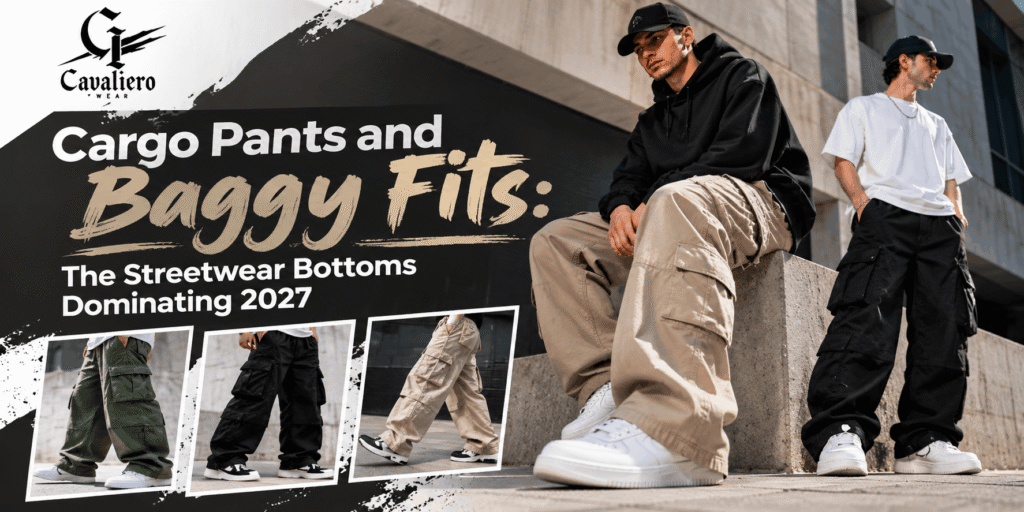
The baggy silhouette remains the defining look of modern streetwear shorts. Wide legs, dropped crotches and below-the-knee lengths borrow from 1990s skate and basketball style. For manufacturers, the key is getting the proportions right: a short that is simply made larger will often look sloppy, while a well-graded baggy pattern keeps the shape intentional and flattering across sizes.
Mesh Basketball Shorts
Lightweight mesh shorts continue to grow beyond the court. Customers love their breathability, their relaxed drape and the way they carry bold graphics, side stripes and contrast trims. Double-layer mesh, tonal logos and retro color blocking are especially popular. Because they share construction with athletic shorts, mesh styles are one of the most efficient items to produce in a sportswear factory.
Cargo Shorts and Utility Details
Cargo shorts have returned with a modern twist. Instead of the bulky khaki versions of the past, current designs use technical nylon, ripstop cotton or washed twill with sculpted pockets, snap closures, bungee cords and adjustable hems. Utility details, like those on our cargo jeans, are a strong way to differentiate your wholesale streetwear shorts from basic stock items. You can read more about the origins of the style in this overview of cargo shorts and pants.
Jorts and Washed Denim
Long, loose denim shorts, often called jorts, are a staple of skate and street fashion. Acid washes, stone washes, distressed edges, patchwork panels and contrast stitching give brands plenty of room for creative expression. Denim does require careful sourcing and washing control, so work with a manufacturer experienced in garment dyeing and finishing.
Heavyweight French Terry and Fleece Shorts
Sweat shorts made from thick French terry or brushed fleece are a core product for premium streetwear labels. A weight of roughly 300 to 400 GSM gives a substantial, expensive feel. Garment-dyed and enzyme-washed finishes add a vintage look that many customers prefer.
Technical Nylon and Techwear Shorts
Lightweight, water-resistant and quick-drying nylon shorts bring a performance edge to streetwear. Features like taped seams, zippered pockets, reflective details and stretch panels appeal to customers who want function and style together.
Cycling and Biker Shorts
Fitted shorts continue to hold a place in the market, especially for women and gender-neutral collections. They are often styled under oversized tees and layered with baggy shorts for a contrast of proportions.
Sustainable and Responsible Materials
Customers increasingly ask where their clothes come from. Organic cotton, recycled polyester, responsibly sourced blends and certified fabrics can strengthen your brand story. Look for fabrics tested under recognized programs such as OEKO-TEX Standard 100, which verifies that textiles have been tested for harmful substances.
Retro Sports Graphics and Nostalgic Palettes
Vintage team-inspired stripes, faded colors, collegiate lettering and retro athletic numbering all work well on streetwear shorts. These designs make the most of your manufacturer’s sportswear experience and appeal to customers who love the heritage of athletic apparel.
Wholesale vs. Private Label vs. Fully Custom: Which Route Is Right?
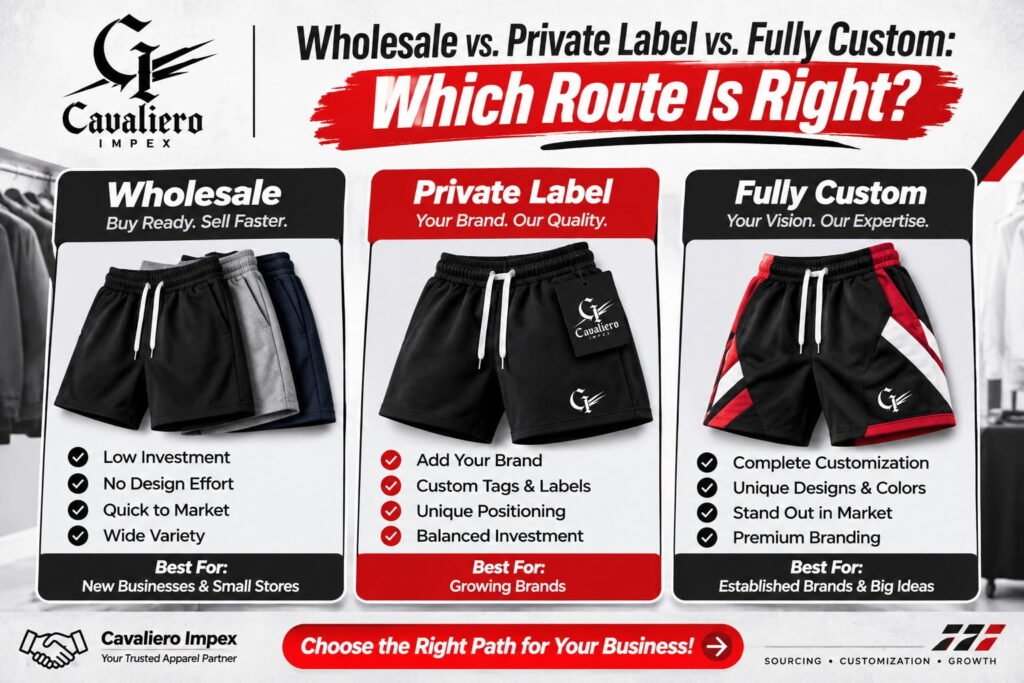
When people search for wholesale streetwear shorts, they usually mean one of three different sourcing models. Understanding the differences helps you choose the one that fits your budget, your timeline and your brand goals.
Option 1: Ready-Made Wholesale Stock
In this model you buy existing designs in bulk and sell them under the supplier’s labeling or with minor additions. It is the fastest and cheapest way to start, but the products are not exclusive. Other sellers may offer identical shorts, which makes it hard to build a lasting brand identity.
Option 2: Private Label Streetwear Shorts
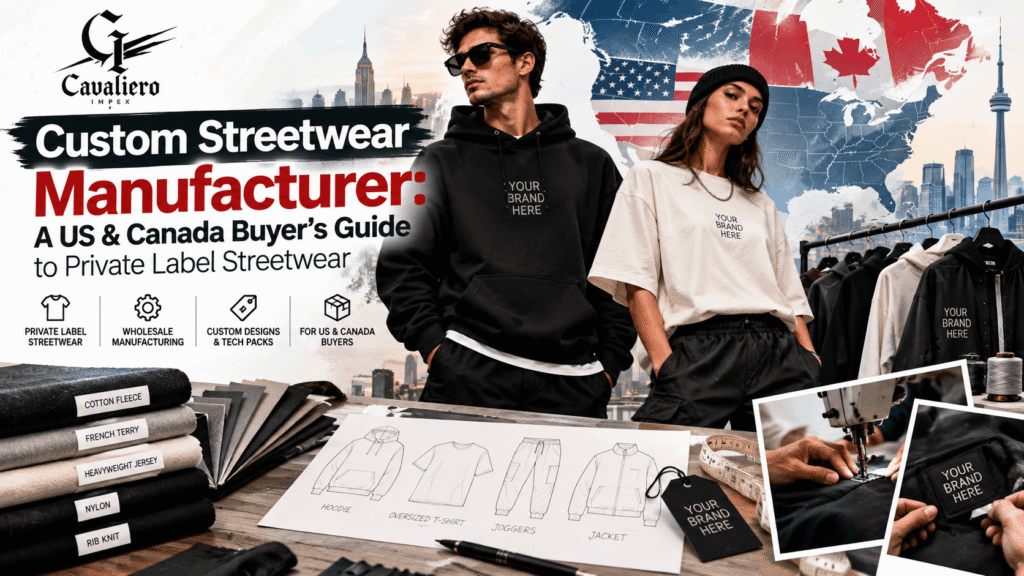
With private label, you choose from a manufacturer’s existing patterns and fabrics, then add your own labels, tags, packaging and sometimes color changes. It is a balanced approach with moderate minimums, quicker turnaround and a professional look. If you are curious about the broader concept of putting your own brand on existing products, our guide to relabeling and private label services explains how it works.
Option 3: Fully Custom Streetwear Shorts
Custom manufacturing means your shorts are designed from scratch or heavily modified: your own pattern, fit, fabric, trims, prints and packaging. This route gives you the strongest brand identity and exclusivity, but it requires more planning, sampling and a higher minimum order. It is the route most serious streetwear labels eventually choose.
| Factor | Ready-Made Wholesale | Private Label | Fully Custom |
|---|---|---|---|
| Exclusivity | Low | Medium | High |
| Minimum order | Very low | Low to medium | Medium |
| Lead time | Fastest | Fast | Longest |
| Design control | None | Limited | Complete |
| Brand value | Low | Medium | High |
Many successful brands start with private label to test the market, then move into custom designs once they understand what their customers respond to. If you want to see which approach suits your project, you can explore our customization services or send details through the custom inquiry form.
How to Source Wholesale Streetwear Shorts: A Step-by-Step Process
Sourcing is where many first-time brand owners lose time and money. Following a clear process keeps your project on track.
Step 1: Define Your Brand and Customer
Before you contact a single manufacturer, answer a few basic questions. Who is your customer? What is their age, lifestyle and budget? What mood does your brand express: skate, luxury, athletic, vintage, minimalist or loud? Which markets will you sell in? Your answers shape every later decision, from fabric weight to price point to packaging.
Step 2: Choose Your Hero Styles
Resist the urge to launch with ten different designs. A focused first collection of three to five styles of streetwear shorts is easier to produce, easier to market and easier to evaluate. A practical starter lineup might include one baggy mesh short, one heavyweight French terry short, one cargo short and one technical nylon short, each offered in two or three colorways.
Step 3: Gather Inspiration and Technical References
Collect reference images, sample garments, color swatches and fabric examples. Even a few photos with notes about length, rise, pocket placement and waistband type will help a manufacturer understand your vision. If you own a short you love, send its measurements.
Step 4: Shortlist Manufacturers
Look for suppliers that specialize in sportswear and streetwear, publish clear information about their services and respond professionally. Review their website, product examples, production capacity and communication style. Learn about who they are on their about page and check whether they handle the full process, including design support, sampling, printing, embroidery, labeling and shipping.
Step 5: Vet Each Supplier Carefully
Use this checklist when evaluating a manufacturer of wholesale streetwear shorts:
- Do they have experience with your specific product type and fabrics?
- Can they show past work or sample quality?
- Are minimum order quantities realistic for your budget?
- Do they offer pattern making and tech pack support?
- How do they handle sampling and revisions?
- What quality control steps do they follow?
- Are their communication and response times reliable?
- What payment terms, lead times and shipping options do they offer?
- Can they provide fabric certifications if you need them?
Step 6: Request a Quote and Compare Fairly
Send each shortlisted supplier the same information: style, quantity, fabric, size range, customization details and delivery location. This lets you compare quotes accurately. Be cautious of prices that are far lower than the rest, since they often signal lower-grade fabric, thinner stitching or hidden costs.
Step 7: Order Samples Before Bulk Production
Never skip sampling. A prototype lets you check fit, fabric hand feel, print placement, color accuracy and stitching quality. Expect one to three rounds of revisions on a new design. Treat sampling as an investment that protects your larger order.
Step 8: Approve, Produce and Inspect
Once the sample is approved, confirm the details in writing, place the bulk order and agree on a production schedule. Ask for photos or videos during production and request a final inspection before shipping.
Choosing Fabrics, GSM and Fits for Streetwear Shorts
Fabric is the single biggest factor in how your streetwear shorts look, feel and wear over time. Customers may not know the technical terms, but they notice immediately when a short feels cheap, shrinks after one wash or loses its shape. Choosing the right material for each style is essential.
Understanding GSM
GSM stands for grams per square meter and measures fabric weight. A higher GSM generally means a thicker, heavier and more structured fabric. Streetwear customers tend to associate weight with quality, so premium shorts often use heavier fabrics than basic casual wear.
| Fabric | Typical Weight | Best For | Key Benefits |
|---|---|---|---|
| Mesh (polyester) | 120 to 180 GSM | Basketball and athletic streetwear shorts | Breathable, lightweight, quick-drying |
| Cotton jersey | 160 to 220 GSM | Light casual and lounge shorts | Soft, comfortable, easy to print |
| French terry | 280 to 400 GSM | Premium sweat shorts | Soft loop interior, structured drape |
| Fleece (brushed) | 320 to 450 GSM | Heavyweight winter-friendly shorts | Warm, plush, substantial feel |
| Cotton twill or canvas | 220 to 320 GSM | Cargo and utility shorts | Durable, holds shape, takes garment dye well |
| Ripstop nylon | 80 to 150 GSM | Techwear and lightweight cargo shorts | Tear-resistant, water-resistant finish options |
| Denim | 280 to 400 GSM | Jorts | Rugged, great for washes and distressing |
These ranges are general guidelines. Exact weights depend on the supplier, the yarn and the finishing process, so always request fabric swatches and check them in person before approving bulk orders. For background on natural fibers and what makes cotton such a versatile choice for apparel, the Cotton Incorporated fiber resource offers helpful technical information.
Matching Fabric to Style
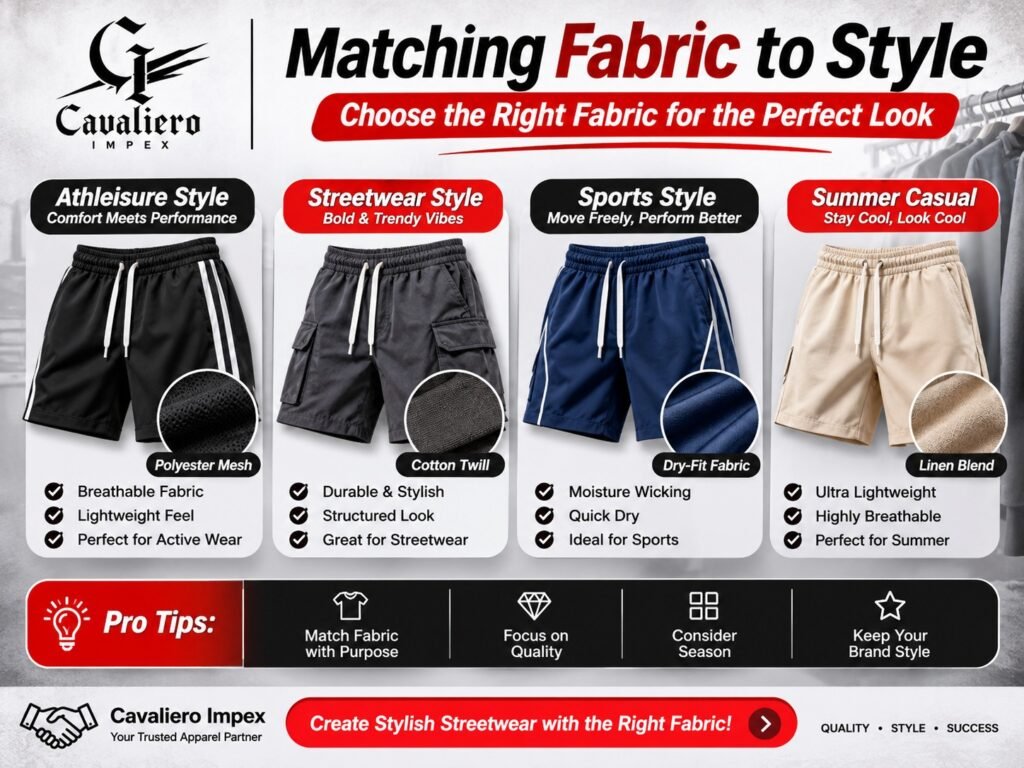
- Baggy mesh shorts: Use 140 to 180 GSM double-knit or single-layer mesh with a soft elastic waistband.
- Premium sweat shorts: Choose 320 to 380 GSM French terry with a brushed back for a thick, cozy feel and a clean drape.
- Cargo shorts: Choose cotton twill, canvas or ripstop that can handle pocket weight and hold structure.
- Techwear shorts: Use lightweight nylon with a durable water-resistant finish and taped or bonded seams where needed.
- Jorts: Use rigid or semi-rigid denim that can be washed, sanded and distressed to create character.
Fit and Sizing
Fit is where many new brands run into trouble. Baggy does not mean shapeless. A good baggy short has a deliberate waist, a defined rise, a controlled leg opening and consistent grading across sizes. When you order custom streetwear shorts, supply a size chart with exact measurements for waist, hip, rise, inseam and leg opening in each size from small to extra large, or a wider range if your audience requires it.
Consider these fit decisions:
- Inseam length: Streetwear shorts commonly fall between 9 and 13 inches in the inseam, with some baggy styles extending to knee length or longer.
- Rise: A mid rise is the safest choice for broad appeal, while a lower rise suits specific skate looks.
- Waistband: Elastic with a drawcord provides comfort and adjustability. Add a faux fly or a real zipper fly for a more premium look on cargo and technical shorts.
- Pockets: Deep side pockets, zippered security pockets and cargo pockets all affect weight, price and function.
- Shrinkage allowance: Cotton-rich fabrics can shrink after washing. Ask your manufacturer to pre-wash or pre-shrink fabric and include a wash test in your sample review.
Customization Options That Make Your Streetwear Shorts Stand Out
Customization is what turns a pair of generic shorts into your brand. The most successful streetwear labels treat every detail as a branding opportunity, from the main graphic to the zipper pull. Here are the options worth considering.
Printing Methods
- Screen printing: The classic choice for bold, durable graphics, explained in this screen printing overview. It works best for larger orders and a limited number of colors, and it produces crisp, opaque designs on cotton and blends.
- Puff print: A raised, three-dimensional print that gives logos a tactile, premium feel. It is a signature streetwear technique.
- Direct-to-garment (DTG) printing: Ideal for detailed, multicolor artwork and smaller runs, since it needs no screens. It performs best on natural fibers.
- Sublimation printing: Dyes the fabric itself, producing all-over patterns and vivid, long-lasting color on polyester and mesh. It is perfect for retro sports graphics and bold patterns.
- Heat transfer and rubber prints: Useful for small logos, numbers and reflective details.
Embroidery and Appliqué
Embroidered logos, chenille patches and appliqué letters communicate quality and craftsmanship. A small embroidered mark on the leg or waistband is a subtle way to brand shorts without overwhelming the design. Twill appliqué and chenille give a collegiate, varsity look that suits heritage-inspired collections.
Labels, Tags and Trims
Details like woven neck or waist labels, printed care labels, hang tags, rubber patches and custom drawcord tips make a product feel finished and professional. Custom zipper pulls, metal eyelets, branded buttons and matching drawcords add further polish. These small details are often what customers remember and photograph.
Dyeing and Washing
Garment dyeing, enzyme washing, stone washing and acid washing give shorts a lived-in, vintage character, the same finishing look you see on our graphic jeans. Because each process affects color and fabric feel, request test swatches and approve a color standard before bulk production.
Packaging
Packaging is part of the unboxing experience. Branded polybags, tissue paper, stickers, printed mailers and thank-you cards help your wholesale streetwear shorts feel premium and encourage social sharing. If you sell through retailers, ask your manufacturer about individual packing, barcodes and carton labeling to make receiving easy.
When you are ready to discuss decoration options for your project, share your artwork and requirements through the custom inquiry page so our team can recommend the best method for your design, quantity and fabric.
Creating a Tech Pack for Your Streetwear Shorts
A tech pack is the instruction manual for your garment. It tells the manufacturer exactly what to make, so there is no guesswork. Even if your supplier offers design support, a clear tech pack saves time, reduces sampling rounds and protects the quality of your final product.
A complete tech pack for streetwear shorts usually includes:
- Flat sketches: Front, back and side views with clear labels and callouts.
- Measurements: A full size chart with tolerances for every size.
- Materials list: Fabric type, weight, composition, color and any lining or secondary fabrics.
- Construction details: Stitch types, seam allowances, waistband construction, pocket specifications and reinforcement points.
- Trims and hardware: Drawcords, eyelets, zippers, buttons and labels, with dimensions and color references.
- Artwork and placement: Print and embroidery files, sizes, positions and Pantone color references.
- Packaging instructions: Folding method, polybag details, tags and carton requirements.
If you are new to tech packs, do not worry. Many manufacturers can turn reference images and measurements into a production-ready document. Providing the best information you can still speeds up the process and leads to more accurate samples.
MOQ, Pricing and Lead Times for Wholesale Streetwear Shorts
Three questions come up in almost every sourcing conversation: how many pieces must I order, how much will each piece cost, and how long will it take?
Minimum Order Quantity (MOQ)
MOQ depends on the manufacturer, the fabric, the level of customization and whether you are using stock fabrics or developing new ones. In general, private label orders have lower minimums, while fully custom designs with special fabrics or dyeing require more. Some suppliers set MOQs per style and per color, so planning your color count carefully can reduce your total investment. If your budget is limited, start with fewer colorways and a tighter size range, then reorder the bestsellers.
What Affects the Price?
- Fabric type and weight: Heavier and more technical fabrics cost more.
- Construction complexity: More pockets, panels, zippers and detailing increase labor time.
- Customization method: Puff print, embroidery and appliqué cost more than simple single-color prints.
- Order quantity: Larger orders typically reduce the cost per piece.
- Trims and packaging: Custom labels, hardware and packaging add to the unit price.
- Shipping and duties: Freight method, destination, Incoterms and import duties affect your landed cost.
Typical Timeline
| Stage | Typical Duration |
|---|---|
| Design brief and quote | A few days |
| Pattern making and first sample | 1 to 3 weeks |
| Sample revisions | 1 to 2 weeks per round |
| Bulk production | 3 to 6 weeks, depending on quantity and complexity |
| Shipping | Varies by method and destination |
These timelines are general estimates and vary by supplier and season. Build a buffer into your launch plan, especially around peak periods when factories are busy. Rushing production is one of the fastest ways to compromise quality.
Calculate Your Landed Cost and Margin
Do not price your streetwear shorts using the factory price alone. Add shipping, duties, packaging, payment fees, marketing and returns to find your true landed cost. A common retail approach is to aim for a gross margin that leaves room for discounts and advertising. Test your pricing against similar brands in your niche to ensure your shorts look competitive without undervaluing your product.
Quality Control: Protecting Your Brand Before the Shorts Ship
A beautiful design means nothing if the shorts arrive with crooked prints, loose threads or inconsistent sizing. Quality control should be built into every stage of production.
- Fabric inspection: Check color, weight, shrinkage and defects before cutting begins.
- Pre-production sample: Approve a final sample that matches your specifications before bulk production starts.
- In-line checks: Review stitching, seam strength and print placement during production.
- Final inspection: Inspect finished garments for measurements, stitching, cleanliness, labeling and packaging accuracy.
- Wash and wear testing: Wash sample shorts several times to confirm there is no excessive shrinkage, color bleeding or print cracking.
Ask potential manufacturers to explain their inspection process and what happens if a defect is found. A reliable partner will have clear answers, and they will welcome your involvement.
How to Launch Your Streetwear Shorts Collection
Great products still need a plan. Launching well means building anticipation, telling a story and giving customers an easy path to buy.
1. Build a Brand Story
Streetwear thrives on identity. Explain where your brand comes from, what it stands for and why your shorts exist. Your story can be rooted in a city, a sport, a subculture, a design philosophy or a community. Keep it authentic and consistent across your website, packaging and social media.
2. Invest in Visual Content
High-quality photos and short videos do more than any description. Show the shorts in motion, from several angles and in real settings. Include close-ups of fabric, stitching, prints and labels to prove quality. User-style content and creator collaborations add credibility.
3. Use a Drop Strategy
Limited drops create urgency and a sense of exclusivity. Release small batches, announce dates ahead of time and build a waiting list. Even if you plan to reorder successful styles, a drop mindset keeps your audience engaged and your inventory healthy.
4. Optimize Your Website for Search
Many buyers discover brands through search. Use clear product titles, descriptive copy, helpful size guides and high-quality images. Target keywords such as streetwear shorts, baggy streetwear shorts, custom mesh shorts and cargo shorts for men and women. Create blog content, buying guides and lookbooks that answer customer questions and link naturally to your product pages.
5. Leverage Social Media and Community
Platforms such as Instagram, TikTok and YouTube Shorts are the home of streetwear discovery. Share behind-the-scenes production clips, styling ideas and customer photos. Partner with micro-influencers, skaters, athletes and local creators whose audiences match your target customer.
6. Offer Bundles and Matching Sets
Pair shorts with matching tees, hoodies or tank tops, or go further with tracksuits and matching sets. Bundles increase average order value and make gifting easier. A capsule of three to five coordinated pieces gives your collection a clear identity. Washed denim shorts, for example, pair naturally with a classic blue denim trucker jacket, a distressed blue denim trucker jacket, a vintage wash denim jacket or one of our hooded denim jackets, all part of the wider denim jackets and outerwear range.
7. Plan for Customer Service and Returns
Clear sizing information, fast communication and easy returns build trust. Streetwear customers talk, and a strong reputation spreads quickly.
Common Mistakes to Avoid When Sourcing Streetwear Shorts
- Skipping samples. Ordering in bulk without approving a sample is the most expensive mistake a new brand can make.
- Choosing price over quality. The cheapest quote rarely delivers the best product. Weak fabric and poor stitching damage your reputation and lead to returns.
- Launching too many styles. A smaller, stronger collection outperforms a large, unfocused one.
- Ignoring size grading. Poor sizing leads to complaints and returns. Provide a detailed size chart and confirm fit on multiple sizes.
- Vague communication. Unclear instructions lead to wrong colors, misplaced prints and delays. Put every detail in writing.
- Forgetting landed costs. Shipping, duties and packaging can erode your profit if you do not plan for them.
- Underestimating lead times. Build a generous buffer, especially for new designs and peak seasons.
- Neglecting branding details. Labels, tags and packaging are inexpensive ways to make your product feel premium.
Why Work with Cavaliero Impex for Custom Streetwear Shorts

Choosing the right partner can determine whether your collection succeeds. At Cavaliero Impex, we are a custom clothing and sportswear manufacturer that helps brands, teams and entrepreneurs turn ideas into finished products. Our sportswear background means we understand fabric performance, durable construction and consistent sizing, all of which matter when you are producing streetwear shorts that need to look great and last.
Here is what you can expect when you work with us:
- Design and customization support: From sketches and reference images to finished garments, we help translate your idea into a production-ready product through our customization services.
- Flexible options: Choose private label, relabeling or fully custom streetwear shorts depending on your goals and budget.
- Multiple decoration methods: Sublimation, screen printing, embroidery, appliqué and custom labels to match your design.
- Quality-focused production: Careful sampling, material checks and inspection before shipment.
- Clear communication: A responsive team that keeps you informed at every stage.
You can learn more about our approach on the about us page, review common questions in our FAQs, or reach out through the contact page. When you are ready to start your project, send your design details through the custom inquiry form and our team will help you plan the next steps.
Frequently Asked Questions About Wholesale Streetwear Shorts
What are streetwear shorts?
Streetwear shorts are casual shorts inspired by skate, basketball, hip-hop and athletic culture. They typically feature relaxed or oversized fits, premium or technical fabrics, bold branding and practical details such as drawcords and deep pockets.
What is the best fabric for streetwear shorts?
There is no single best fabric. Mesh works well for lightweight basketball styles, French terry and fleece suit premium sweat shorts, twill and ripstop are ideal for cargo shorts, and denim is the choice for jorts. Choose the fabric that matches the look, season and function you want.
How do I start buying wholesale streetwear shorts for my brand?
Start by defining your brand and customer, choose three to five hero styles, shortlist manufacturers, compare quotes, order samples and approve a pre-production sample before placing a bulk order. Working with a manufacturer that offers design support makes the process much smoother.
What is the difference between wholesale and private label shorts?
Wholesale usually means buying existing products in bulk, often with little or no branding control. Private label means adding your own labels, tags and packaging to a manufacturer’s existing designs, which gives your brand a unique identity with relatively low risk.
Can I order custom streetwear shorts in small quantities?
Many manufacturers offer lower minimums for private label and simple custom orders. Minimums depend on the fabric, the design complexity and the supplier, so request a quote with your exact specifications to learn what is possible.
How long does it take to produce custom streetwear shorts?
A typical project includes a few weeks for sampling and revisions followed by several weeks of bulk production, plus shipping time. Complex designs, special fabrics and peak seasons can extend the timeline, so plan with a comfortable buffer.
How do I make my streetwear shorts stand out?
Focus on fit, fabric quality and distinctive branding details. Use a signature print or embroidery, custom labels and hardware, and a clear brand story. Consistency across product, packaging and marketing helps customers recognize and remember your label.
Final Thoughts: Turning Streetwear Shorts into a Lasting Brand
Streetwear shorts offer one of the most accessible and rewarding paths into the apparel business. They are affordable to produce, easy to customize, popular across seasons and perfectly suited to the storytelling that streetwear customers love. Success comes from making smart decisions at every stage: choosing the right sourcing model, selecting fabrics and fits that match your audience, sampling carefully, controlling quality and launching with a clear brand story.
Start small, stay focused and keep learning from your customers. With a reliable manufacturing partner and a clear plan, your wholesale streetwear shorts can grow from a first collection into a brand people recognize and trust. Ready to bring your vision to life? Visit Cavaliero Impex or contact our team to start your custom streetwear shorts project today.